

Blogs

What If Your Cardio Routine Is Making You Less Healthy?
Cardio has been oversimplified for years: move more, sweat more, run farther, get healthier. The truth is simpler and smarter—the right dose depends on the person. At Fluid Health and Fitness, we believe cardio should match your age, goals, recovery, and current fitness. Done right, it protects the heart, builds energy, and supports longevity.

Why Doing the Right Things in the Wrong Order Is Holding You Back
If effort alone worked, you’d already feel better, move better, and recover faster. This article explains why health breaks down when good habits are layered out of sequence—and how restoring the right order changes everything.

Stop Chasing Protein. Start Understanding Adaptation.
Your body isn’t waiting for more protein—it’s waiting for a reason to change. Learn how muscle breakdown, digestion speed, and training signals work together to determine whether your effort turns into progress or stagnation.

The Missing Rep You’re Skipping: Why Sleep Is the Secret to Skill, Strength, and Staying Injury-Free
What if the secret to unlocking cleaner movement, faster gains, and fewer injuries isn’t in your workout—but in your sleep? Discover how your brain uses the final hours of rest to hardwire motor skills, correct asymmetries, and finish the work your body starts.
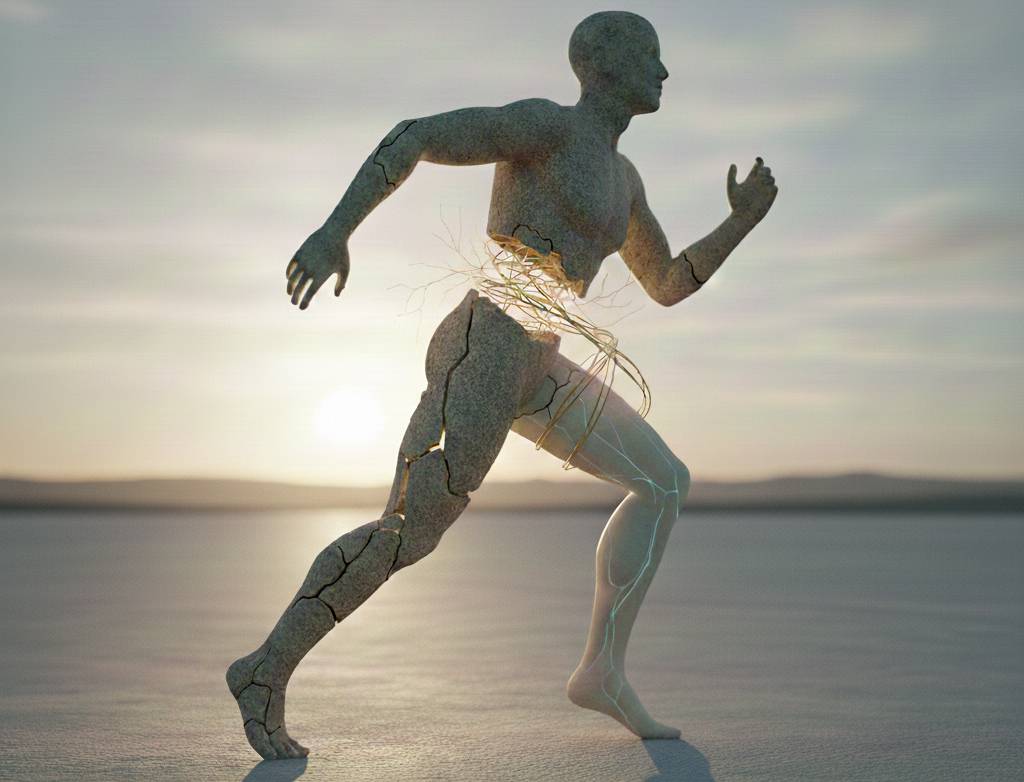
Become Unbreakable: Why Rebuilding Your Body’s Balance Is the Key to Lifelong Performance
Your body’s balance is not an accident—it’s a neurological blueprint built in infancy and refined through movement. This blog explains how restoring functional symmetry through DNS and developmental kinesiology reduces injury risk, improves efficiency, and rebuilds sustainable performance from the inside out.
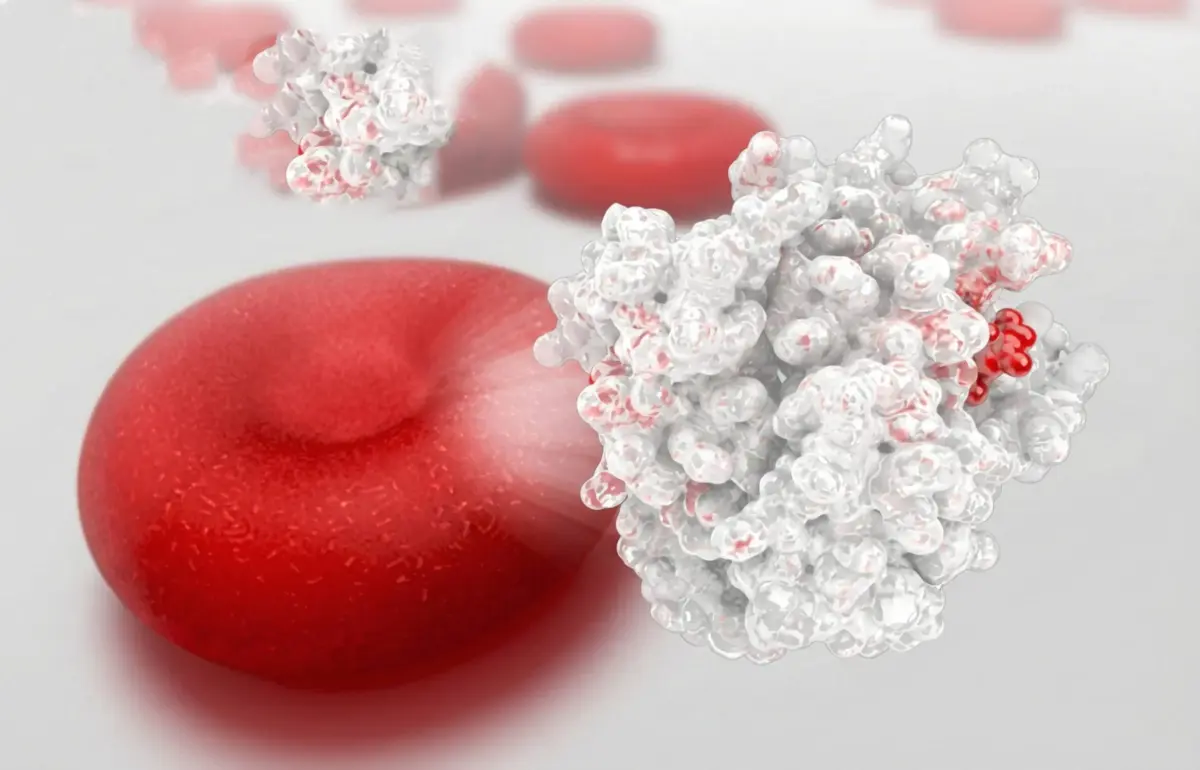
When High HbA1c Isn’t a Red Flag: Understanding Your Labs as a Hard-Training Athlete
Many athletes and high-performing individuals are misled by elevated HbA1c results, unaware that this biomarker was designed for sedentary populations—not those undergoing frequent metabolic and structural adaptation. This article breaks down why traditional lab interpretations can misrepresent your health and guides you toward a more accurate, systems-based understanding of your physiology. “This article is for educational purposes only and is not a substitute for medical advice. Always consult your healthcare provider before making health or training changes.”

Muscle Memory: Why Comebacks Are Faster Than You Think
Most people assume they move well—until their body tells them otherwise. This self-screening approach reveals the hidden imbalances your brain has learned to ignore, giving you a clearer map to move, train, and live better.
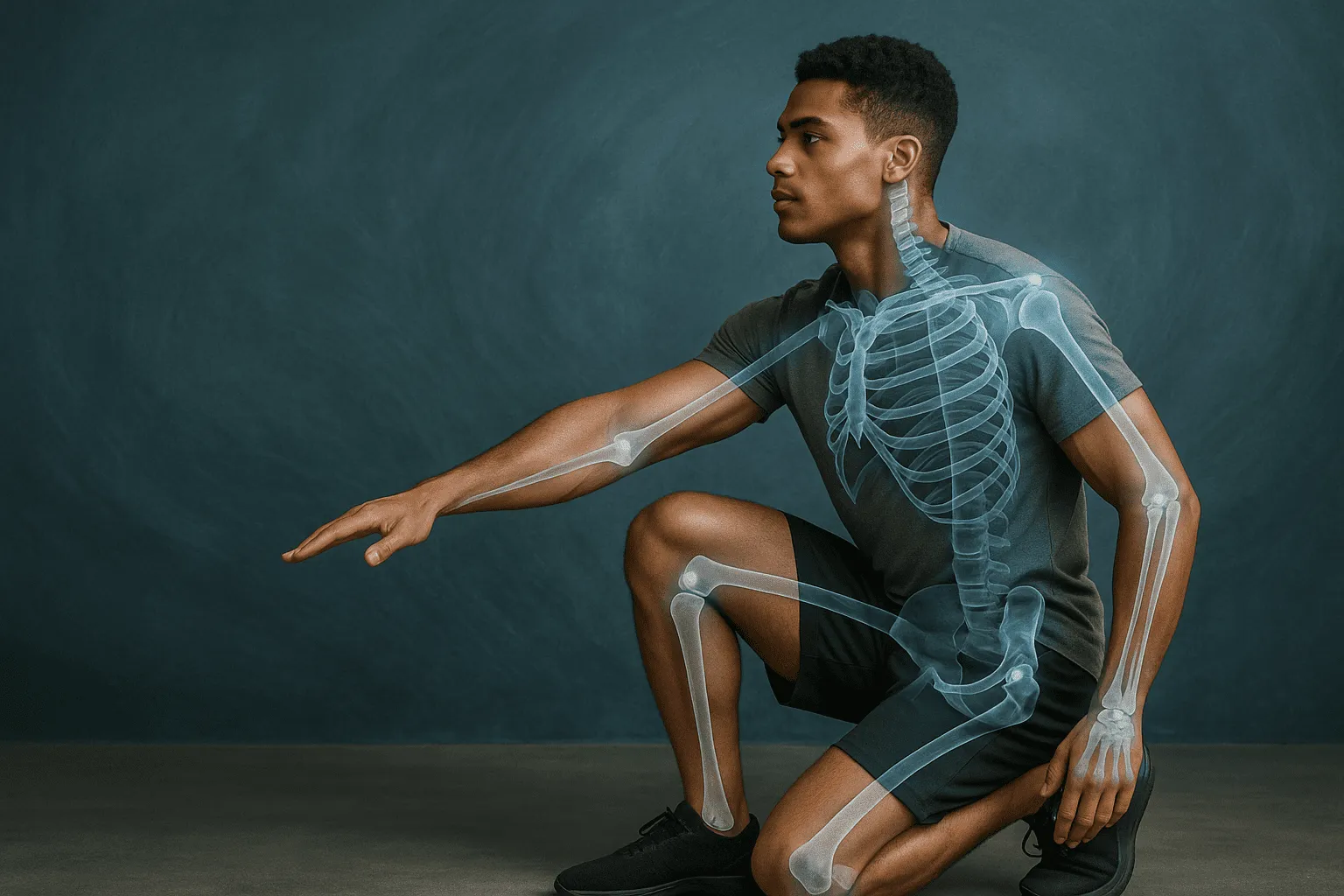
Think You Know Your Body? This Self-Screen Will Reveal What You’ve Been Ignoring
Most people assume they move well—until their body tells them otherwise. This self-screening approach reveals the hidden imbalances your brain has learned to ignore, giving you a clearer map to move, train, and live better.

Want to Jump Higher? Stop Focusing on Jumping | Why The Hardest Part of Plyometrics Is the Softest
Plyometric mastery isn’t about how high you can launch—it’s about how quietly and efficiently you can land. Long before sport-specific drills, your nervous system wired reflexes and myofascial slings that still dictate whether you rebound like a spring or collapse under pressure.

The Baby Blueprint: Rewiring Movement Through DNS
DNS isn’t just exercise—it’s your body’s original blueprint for movement, hidden in the way babies naturally roll, crawl, and stand. By retraining breath, posture, and reflexes together, DNS restores the integrated system that makes movement effortless and pain-free. It’s not about fixing a muscle—it’s about rewiring how your whole body works.