Biomechanics
Restoring Optimal Movement: How Fluid Uses Mobility and Bodywork to Rebuild from the Ground Up
At Fluid Health & Fitness, restoring your body’s capacity for pain-free, efficient movement is not a suggestion—it’s a foundation. Before we add weight, intensity, or speed, we ensure your movement patterns are structurally sound and biomechanically efficient. This begins with mobility.
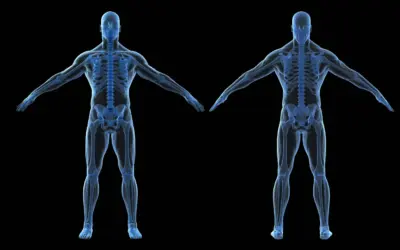
What to Expect at Your Core | 6 Movement Assessment
At Fluid Health and Fitness, we believe that structure dictates function.
Before we layer on strength, endurance, or speed, we make sure the body’s foundation — posture, breathing, and force control — is solid.
Your Core | 6 Movement Assessment is the starting point of that process.
It’s where we scientifically measure how well your body handles the demands of real-world movement.
Here’s exactly what you can expect from your Core | 6 experience at Fluid.
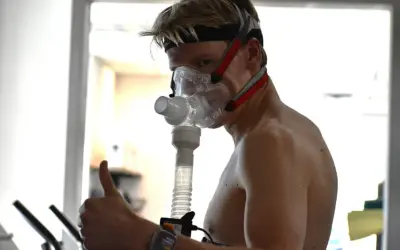
The Biomechanics of Breathing: Unlocking Stability, Endurance, and Performance
Breathing is more than a passive exchange of gases—it is a biomechanical foundation for posture, movement, and performance. At Fluid Health and Fitness, respiratory training is not treated as an isolated modality but as a central pillar of structural and metabolic integrity. In this blog, we explore the critical role of respiratory mechanics across five interrelated domains: ventilatory efficiency, postural control, intra-abdominal pressure, cardiometabolic health, and craniofacial stability.

What to Expect at Your Active Metabolic Rate (AMR) Assessment
At Fluid Health and Fitness, we don’t guess with your fitness — we measure it.
When you schedule an Active Metabolic Rate (AMR) Assessment and Cardiopulmonary Screen, you’re not getting a surface-level test.
You’re getting a scientific blueprint of how your body breathes, moves, and fuels itself under stress — critical information to build a stronger, more resilient you.
Here’s exactly what you can expect from start to finish.

Understanding Integrated Cardiorespiratory and Strength Training for Active Older Adults
At Fluid Health and Fitness, we reject the reckless rush toward “fitness at all costs.”
We recognize that for older adults, the order of operations is non-negotiable:
Fix the structure. Stabilize the core. Condition the system.
Metabolic conditioning must be layered onto a body capable of handling force, posture, and breath.
Without this sequence, fitness becomes fragility.

Understanding Cardiorespiratory Training for Sports Performance
In the world of real performance — not TikTok training gimmicks — metabolic conditioning isn’t about “sweating until you’re proud.”
It’s about building an efficient engine on a structurally sound chassis.
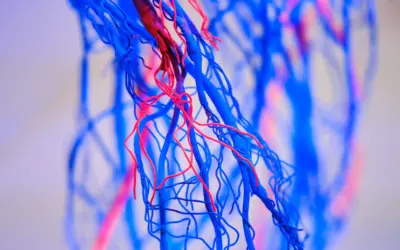
Build the Frame for the Engine — Why Biomechanics Must Come First
Imagine installing a high-torque race engine into a vehicle frame never designed to handle that kind of force. The sudden increase in power doesn’t improve performance — it overwhelms the chassis. Now, add to that a structural compromise: misaligned axles, deteriorated suspension, and uneven tire wear. Under these conditions, the torque doesn’t just stress the system — it exposes and amplifies every flaw, accelerating breakdown.

Physiology of Heart Rate Zones: What You Need to Know
At Fluid Health and Fitness, we believe in educating our members beyond reps and sets. Our mission is to empower you with the science behind movement, metabolism, and performance. In this blog, we’re unpacking a few high-level questions that many of our advanced members and clients ask when they get into structured cardiovascular training or metabolic testing.

Self Myofascial Release (SMFR) – Unlocking Tissue Freedom
What is SMFR?
Self Myofascial Release (SMFR) is a technique used to reduce fascial restrictions and improve tissue extensibility by applying sustained pressure to areas of soft tissue that feel stiff or tender. At Fluid Health and Fitness, we teach SMFR as a combination of passive pressure (30 seconds) followed by active movement across three progressive stages. This technique can be applied using tools like foam rollers, lacrosse balls, massage peanuts, or even fingers.
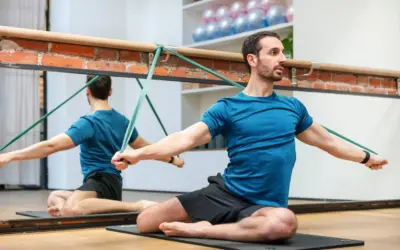
Traction and Distraction – Creating Space for the Joints
What is Traction and Distraction?
Traction (pulling apart) and distraction (unweighting) are self-applied joint mobilization techniques that use bands or gravity-assisted positions to decompress the joint and improve its passive motion. This promotes capsular stretch and improved joint centration.
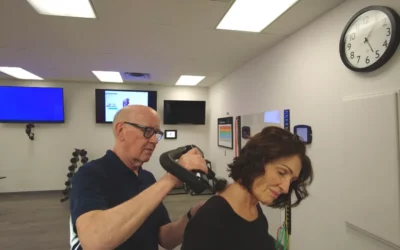
Percussion Inhibition – Calming Overactive Tissue
What is Percussion Inhibition?
Percussion inhibition is a technique using low-speed, low-amplitude vibration through a massage gun applied to musculoskeletal junctions to calm down hyperactive or guarded muscles. It targets the neuromuscular reflex arcs that maintain chronic tension, particularly in areas prone to postural overload.

PNF Stretching – Resetting the Nervous System
What is PNF Stretching?
PNF (Proprioceptive Neuromuscular Facilitation) Stretching is a neuromuscular re-education technique that combines muscle contraction and stretching in a sequence designed to reduce neural resistance to motion. At Fluid, we use the PAPS protocol—Passive, Active, Passive, Strain.
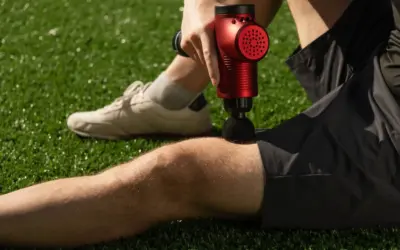
Percussion Stimulation – Waking Up the Muscles
Percussion stimulation is a more active application of percussive therapy that uses a higher-speed massage gun to energize and prepare tissue for movement. Unlike inhibition, this technique is dynamic—used to stimulate underused or neurologically “asleep” tissue.
Unlocking the Power of Your Body’s Engine: The Oxidative Energy System and Why It Matters
When we think about improving our health, we often focus on things like diet, sleep, or resistance training. But there’s a lesser-known powerhouse system in your body that might be the strongest predictor of how long and well you live: your oxidative energy system, also known as aerobic metabolism.

Regional and Limb Control in Functional Movement
Functional movement requires precise control of the shoulders, hips, and limbs. This control is vital for performing daily tasks and complex activities without injury.
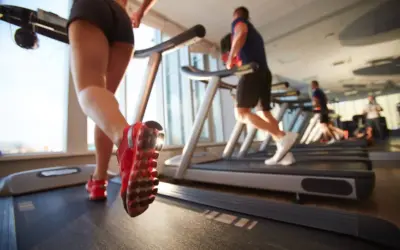
Swing Phase and Non-Loadbearing Biomechanics
The swing phase occurs when the limb is off the ground and moving to prepare for the next step. This phase emphasizes non-loadbearing mechanics, requiring coordination, flexibility, and muscle strength to execute efficiently.
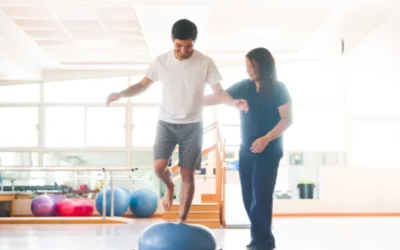
Stance Phase and Loadbearing Biomechanics
The stance phase is the foundation of functional movement. It is the part of a movement cycle where your body supports weight, and it involves crucial mechanics for balance, alignment, and strength. During this phase, proper loadbearing mechanics ensure that forces are distributed evenly through your joints, reducing strain and enhancing efficiency.

Inside-Out Biomechanics – The DNS Approach
Inside-out biomechanics focuses on the idea that movement begins with the core and radiates outward. This concept, central to Dynamic Neuromuscular Stabilization (DNS), emphasizes the importance of core stability and proper breathing mechanics for efficient movement.
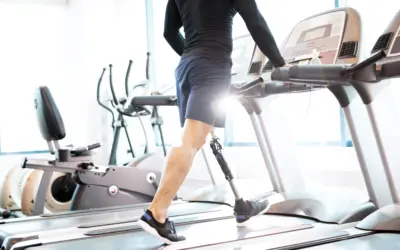
The Gait Cycle – Understanding How We Walk
Walking may seem simple, but it’s a highly coordinated process involving multiple joints and muscles working in sync.

Proximal to Distal Biomechanics
Proximal to distal biomechanics is the foundation of efficient movement. This principle highlights how movements originate from the core (proximal) and transfer outward to the limbs (distal).
Request An Appointment
Please fill out this form and we will contact you about scheduling.
