In-Depth Health Insights Await
Stop Guessing. Start Managing Your Health.
In one session, we measure how your body is built, how it moves, and how it produces energy — then show you exactly what to do next.
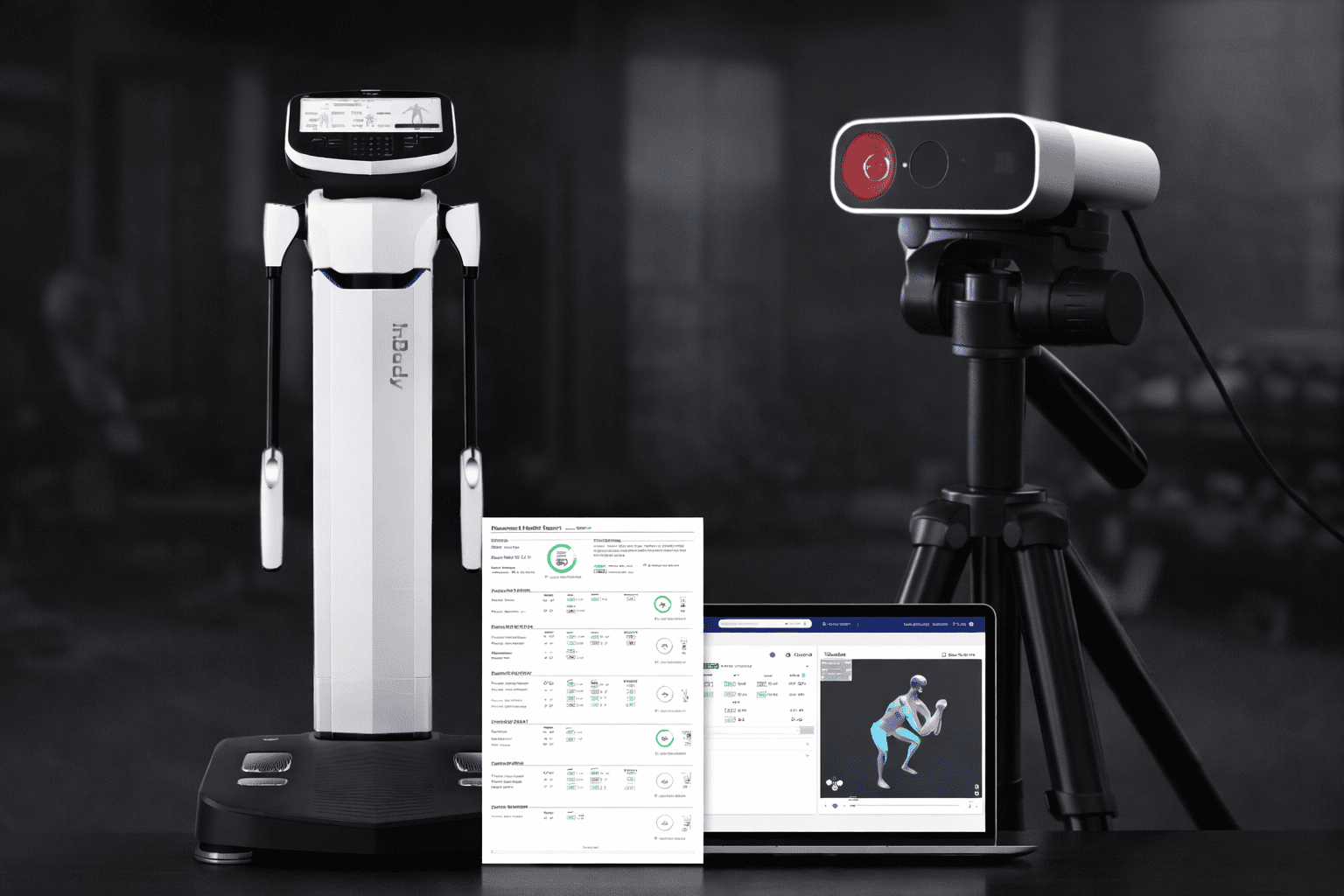
Most people train symptoms
Why Traditional Approaches Fail
They chase weight, soreness, calories, or motivation.
That’s why results stall.
Because systems go unmeasured.
At Fluid, we measure the system first — then build the plan.
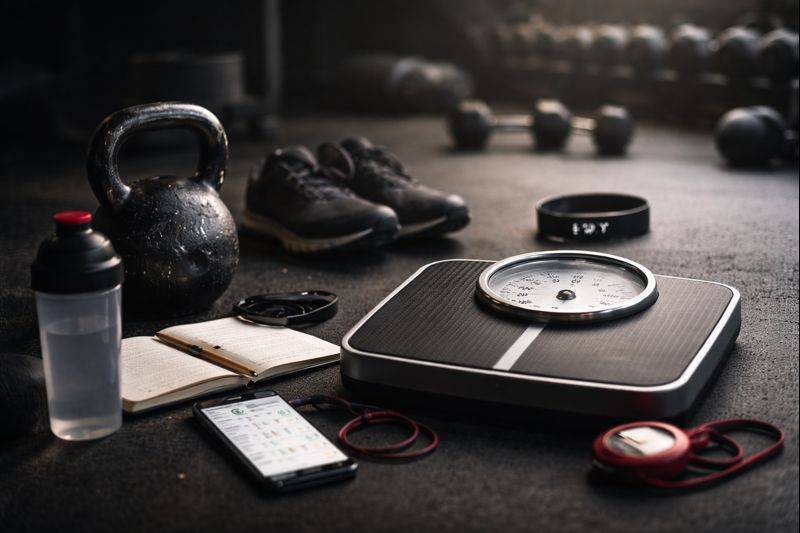
What's Included in Your Baseline Analysis?
✔ 3D motion capture (movement efficiency & asymmetries)
✔ InBody body composition (muscle vs fat, segmental lean)
✔ One-on-one debrief (your plan, not a printout)
Want to add a Precision Upgrade?
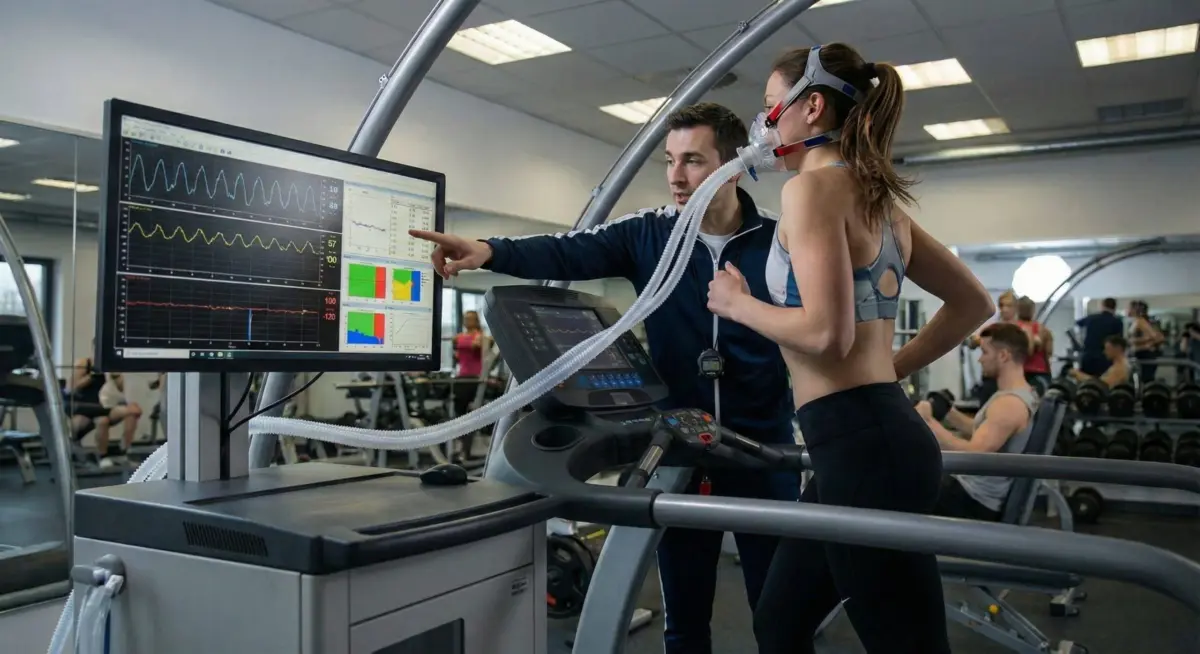
✔ Resting or Active Metabolic Test
(Know your BMR and train in the right zones, not guess)
(+$100)
Latest Insights and Tips
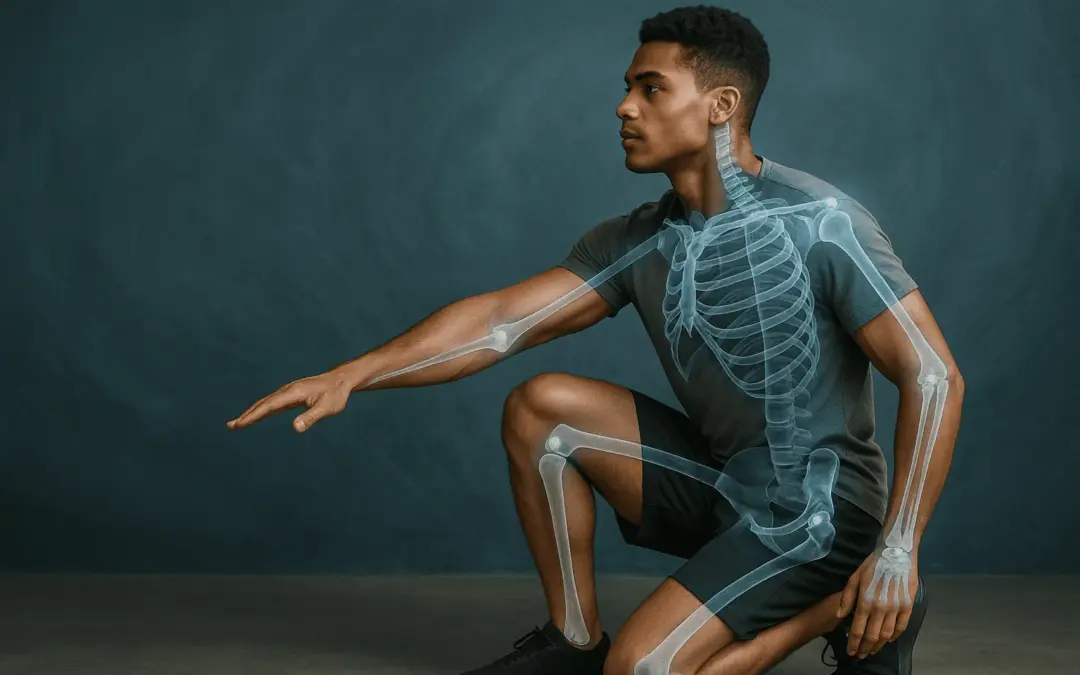
Think You Know Your Body? This Self-Screen Will Reveal What You’ve Been Ignoring
Most people assume they move well—until their body tells them otherwise. This self-screening approach reveals the hidden imbalances your brain has learned to ignore, giving you a clearer map to move, train, and live better.
The Lateral Sling System — Your Body’s Side-Body Seatbelt
Your body doesn’t just need to move forward — it needs to stay upright when life pulls you sideways. The lateral sling system is your built-in side-body seatbelt, made up of muscles like the glute med, adductors, obliques, and QL. When this system is underdeveloped or out of sync, you’ll see knee collapse, hip drop, or rib flare. Learn how this system develops in infancy, how to spot dysfunction, and how to train it to restore side-to-side stability and protect your posture for life.
From Infant Foundations to Adult Function: The Reflexes Behind How We Move
You’ve probably heard the phrase “go back to basics,” but in the world of human movement, we mean it literally.
Before you ever stood on two feet, your body followed a brilliant sequence of primitive reflexes—automatic movement responses that helped build posture, coordination, and strength. These reflexes shaped your nervous system’s blueprint for how to move, stabilize, and adapt to gravity. Read more…