In-Depth Health Insights Await
Stop Guessing. Start Managing Your Health.
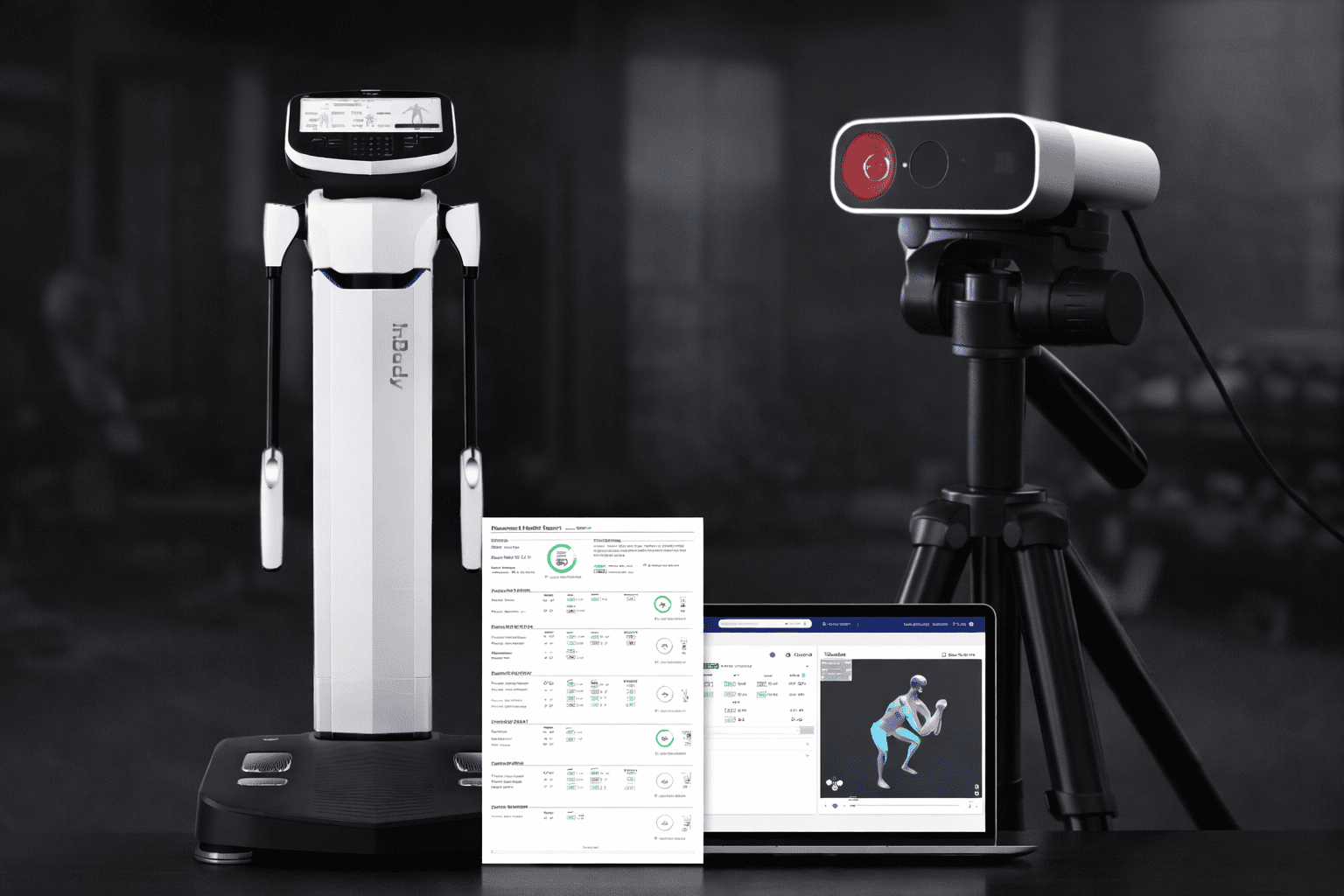
In one session, we measure how your body is built, how it moves, and how it produces energy — then show you exactly what to do next.
Most people train symptoms
Why Traditional Approaches Fail
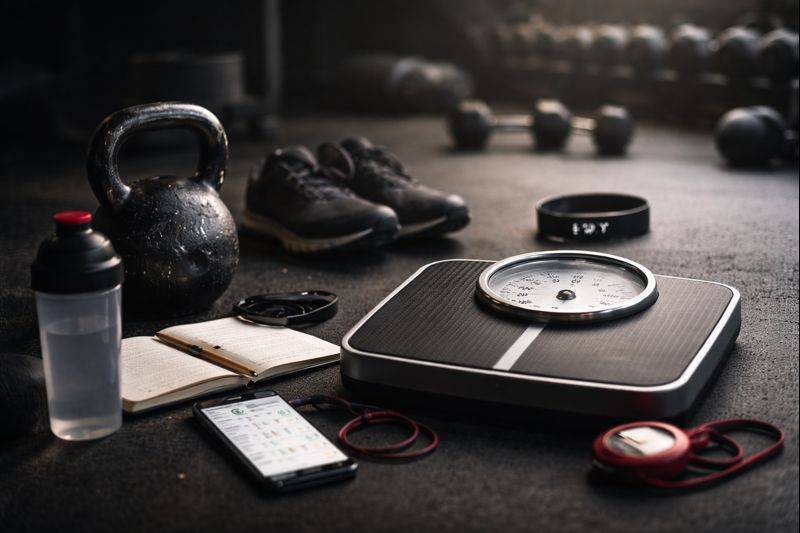
They chase weight, soreness, calories, or motivation.
That’s why results stall.
Because systems go unmeasured.
At Fluid, we measure the system first — then build the plan.
What's Included in Your Baseline Analysis?
✔ 3D motion capture (movement efficiency & asymmetries)
✔ InBody body composition (muscle vs fat, segmental lean)
✔ One-on-one debrief (your plan, not a printout)
Want to add a Precision Upgrade?
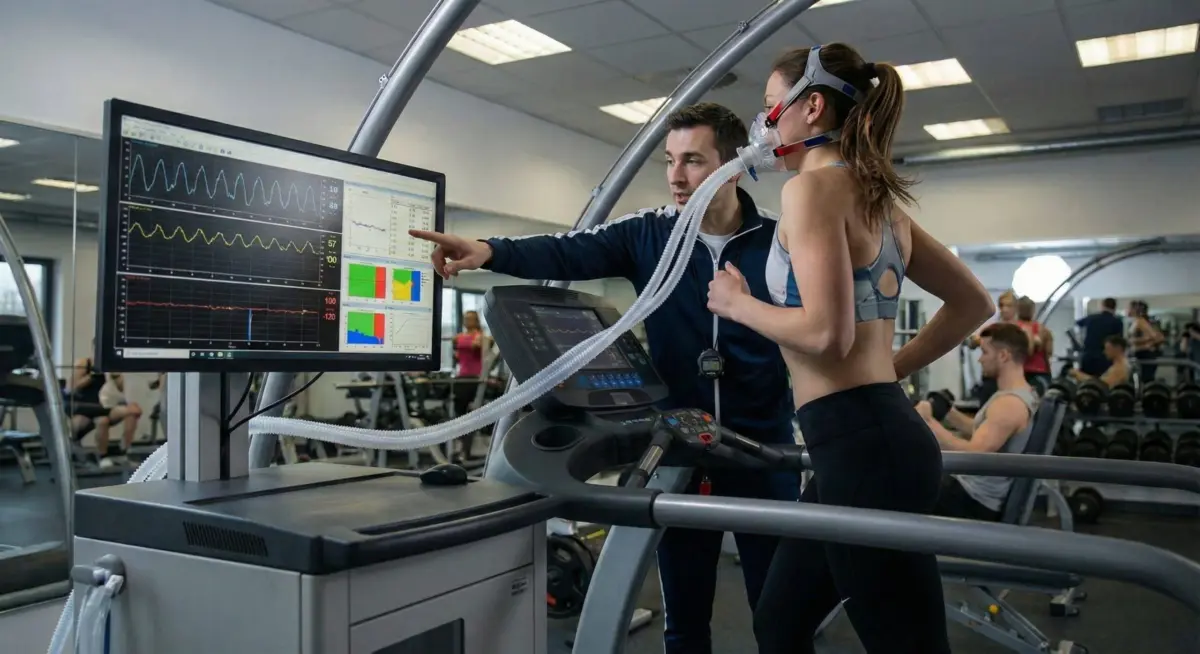
✔ Resting or Active Metabolic Test
(Know your BMR and train in the right zones, not guess)
(+$100)
Latest Insights and Tips
What It Really Takes to Restore Your Movement: The True Bandwidth of Muscle and Neuromuscular Recovery
Restoring your movement isn’t a linear checklist—it’s a layered biological and neurological reboot of your entire movement system that spans the central nervous system (CNS), peripheral nervous system (PNS), musculoskeletal system, and extracellular matrix (ECM). The process detailed in this article mirrors how the human body truly heals and reorganizes itself from the inside out—through the interplay of the brain, nervous system, muscles, and connective tissue.
Muscle Functions – The Power of Teamwork
Muscles are the body’s unsung heroes, working behind the scenes to keep us upright, moving, and functioning. But not all muscles play the same role. Some are designed to work tirelessly throughout the day (tonic muscles), while others spring into action for short bursts of power and movement (phasic muscles).
Did You Know Your Breathing Habits Could Be Reshaping Your Face?
The Impact of Breathing Biases, Lateralization, and Neuromuscular Asymmetry on Jaw Structure and Craniofacial Development