In-Depth Health Insights Await
Stop Guessing. Start Managing Your Health.
In one session, we measure how your body is built, how it moves, and how it produces energy — then show you exactly what to do next.
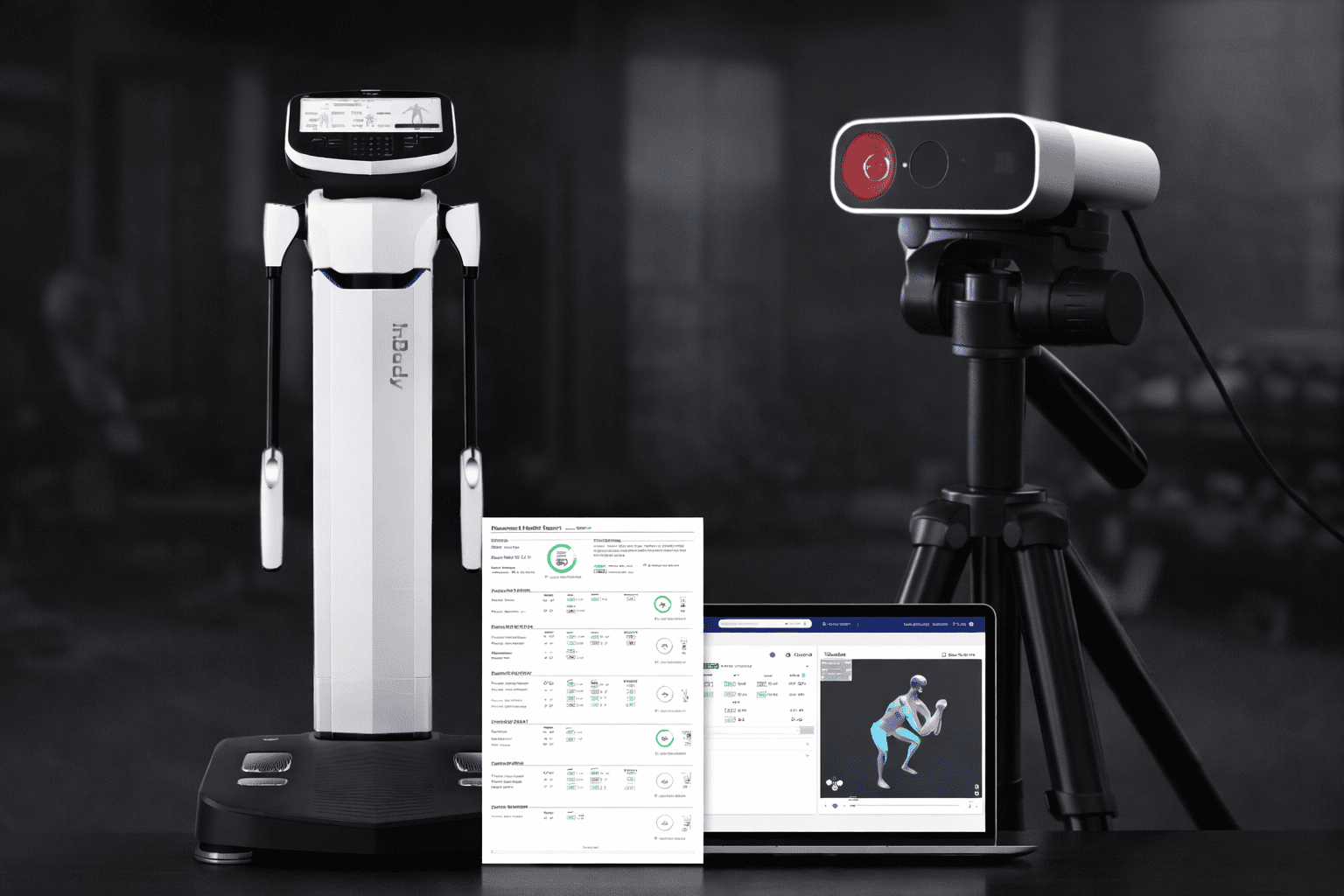
Most people train symptoms
Why Traditional Approaches Fail
They chase weight, soreness, calories, or motivation.
That’s why results stall.
Because systems go unmeasured.
At Fluid, we measure the system first — then build the plan.
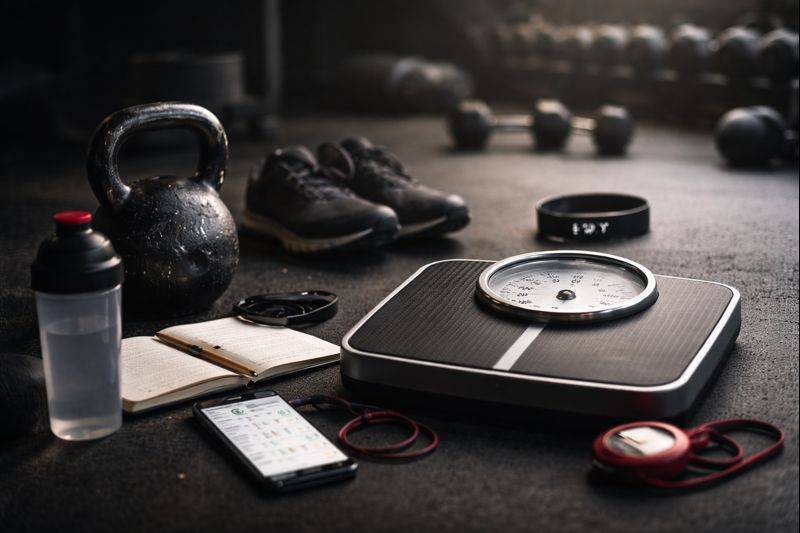
What's Included in Your Baseline Analysis?
✔ 3D motion capture (movement efficiency & asymmetries)
✔ InBody body composition (muscle vs fat, segmental lean)
✔ One-on-one debrief (your plan, not a printout)
Want to add a Precision Upgrade?
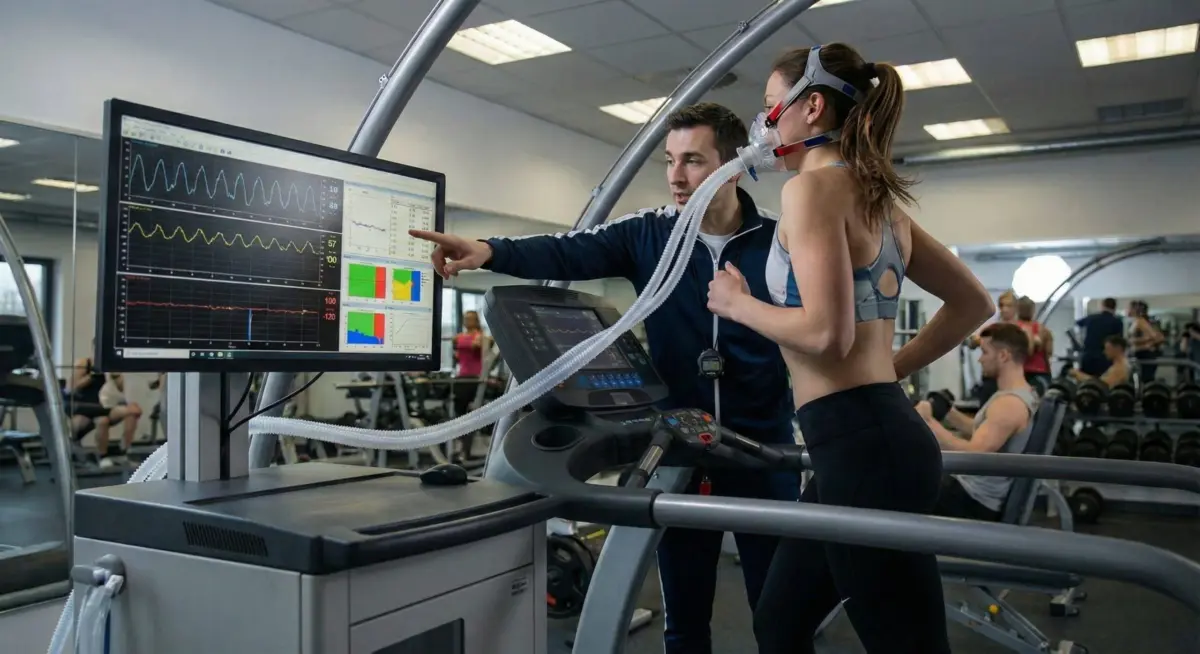
✔ Resting or Active Metabolic Test
(Know your BMR and train in the right zones, not guess)
(+$100)
Latest Insights and Tips

Not Just a Workout — A Functional Reset
Are you ready to reclaim your speed, restore your mechanics, and bulletproof your body for sport-level performance?
This national pilot program is designed to restore your running and movement potential through the RucFit Return-to-Sport & Biomechanical Restoration Protocol. Using the RucFit Ruc Pack and intelligent load progression, this beta group will model outcomes for a national rollout.
At Fluid Health and Fitness, we approach hypertension differently. Rather than managing symptoms, we work to reverse the breakdown using targeted movement, breath training, and structured progression. This blog outlines the physiological systems behind the condition—and introduces a free, four-week program to help you reclaim your health from the inside out.
Posture and Locomotion – Foundations of Ideal Movement
Good posture is the foundation of efficient movement. It’s more than just standing up straight; it’s about aligning your head, shoulders, spine, hips, knees, and feet in a way that minimizes strain and maximizes function.
Planes of Motion – Understanding the Body’s Blueprint
Movement is not random. It occurs in specific directions, governed by what are called planes of motion. These imaginary lines divide the body and help us understand how and where movement happens.