In-Depth Health Insights Await
Stop Guessing. Start Managing Your Health.
In one session, we measure how your body is built, how it moves, and how it produces energy — then show you exactly what to do next.
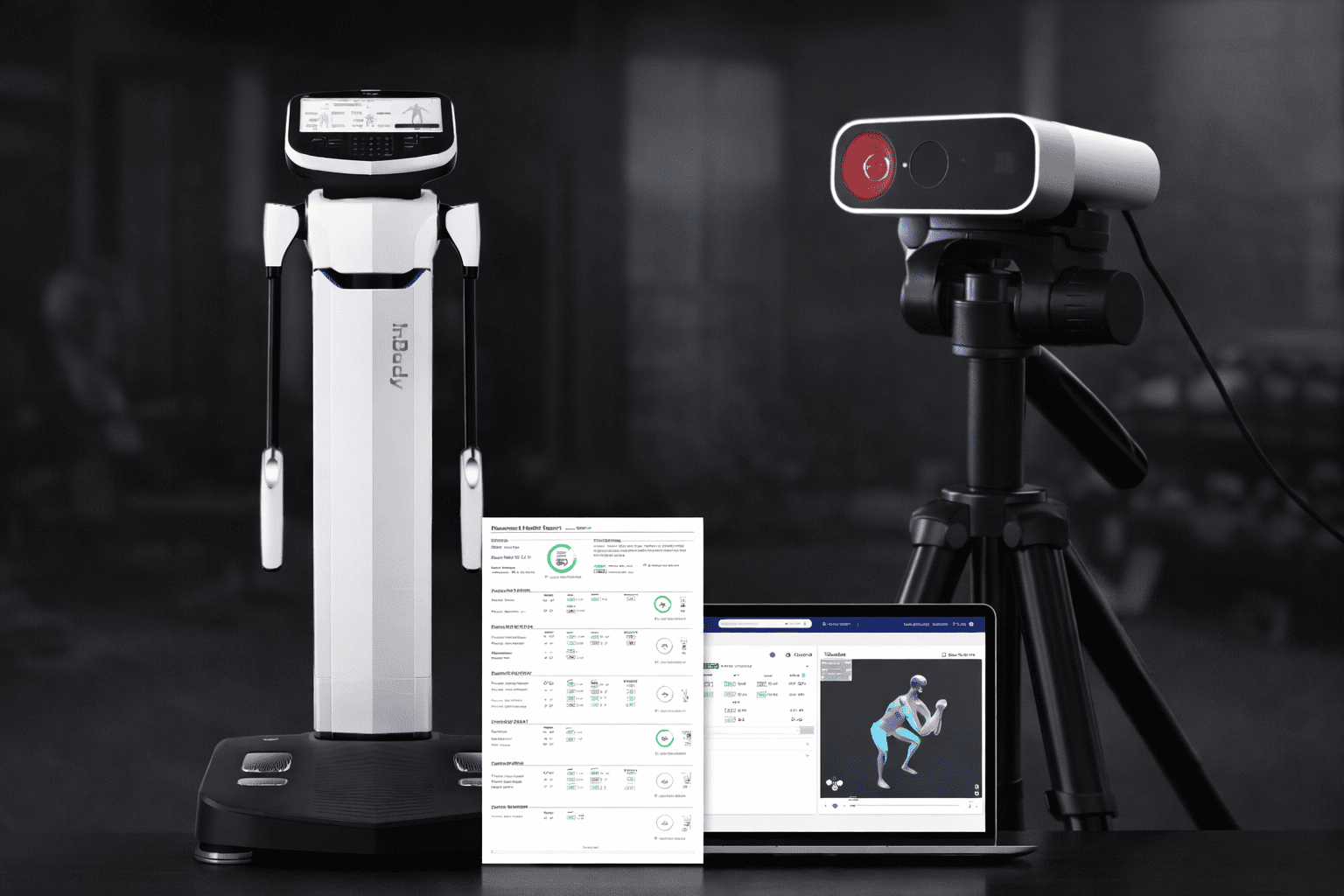
Most people train symptoms
Why Traditional Approaches Fail
They chase weight, soreness, calories, or motivation.
That’s why results stall.
Because systems go unmeasured.
At Fluid, we measure the system first — then build the plan.

What's Included in Your Baseline Analysis?
✔ 3D motion capture (movement efficiency & asymmetries)
✔ InBody body composition (muscle vs fat, segmental lean)
✔ One-on-one debrief (your plan, not a printout)
Want to add a Precision Upgrade?
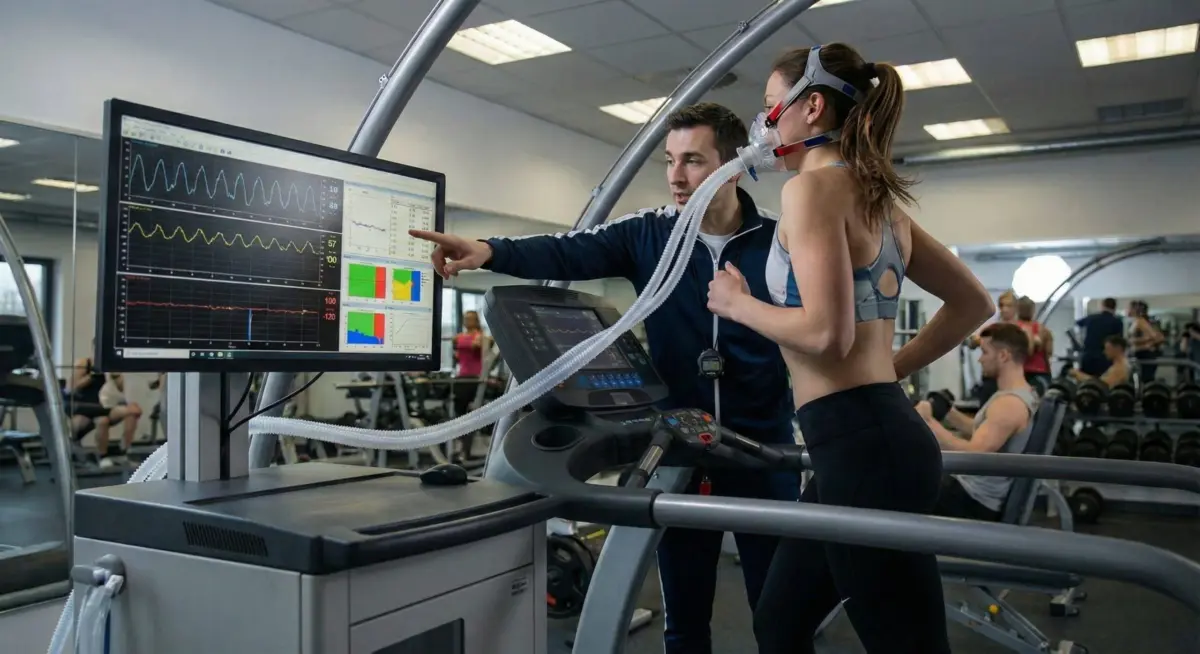
✔ Resting or Active Metabolic Test
(Know your BMR and train in the right zones, not guess)
(+$100)
Latest Insights and Tips

Mastering the Sagittal Plane: A Week 3 Guide to Swing Mechanics
Week 3 of the Applied Fundamentals course at Fluid Health and Fitness shifted focus from static stance mechanics to dynamic swing-phase mechanics. The sagittal plane—encompassing flexion and extension—continues to govern efficient movement, but now within the context of walking, running, and transitional actions. This week covered the cervical spine, thoracic spine, hips, and knees, emphasizing their synergistic roles in dynamic motion.
The Gait Cycle – Understanding How We Walk
Walking may seem simple, but it’s a highly coordinated process involving multiple joints and muscles working in sync.
Proximal to Distal Biomechanics
Proximal to distal biomechanics is the foundation of efficient movement. This principle highlights how movements originate from the core (proximal) and transfer outward to the limbs (distal).