In-Depth Health Insights Await
Stop Guessing. Start Managing Your Health.
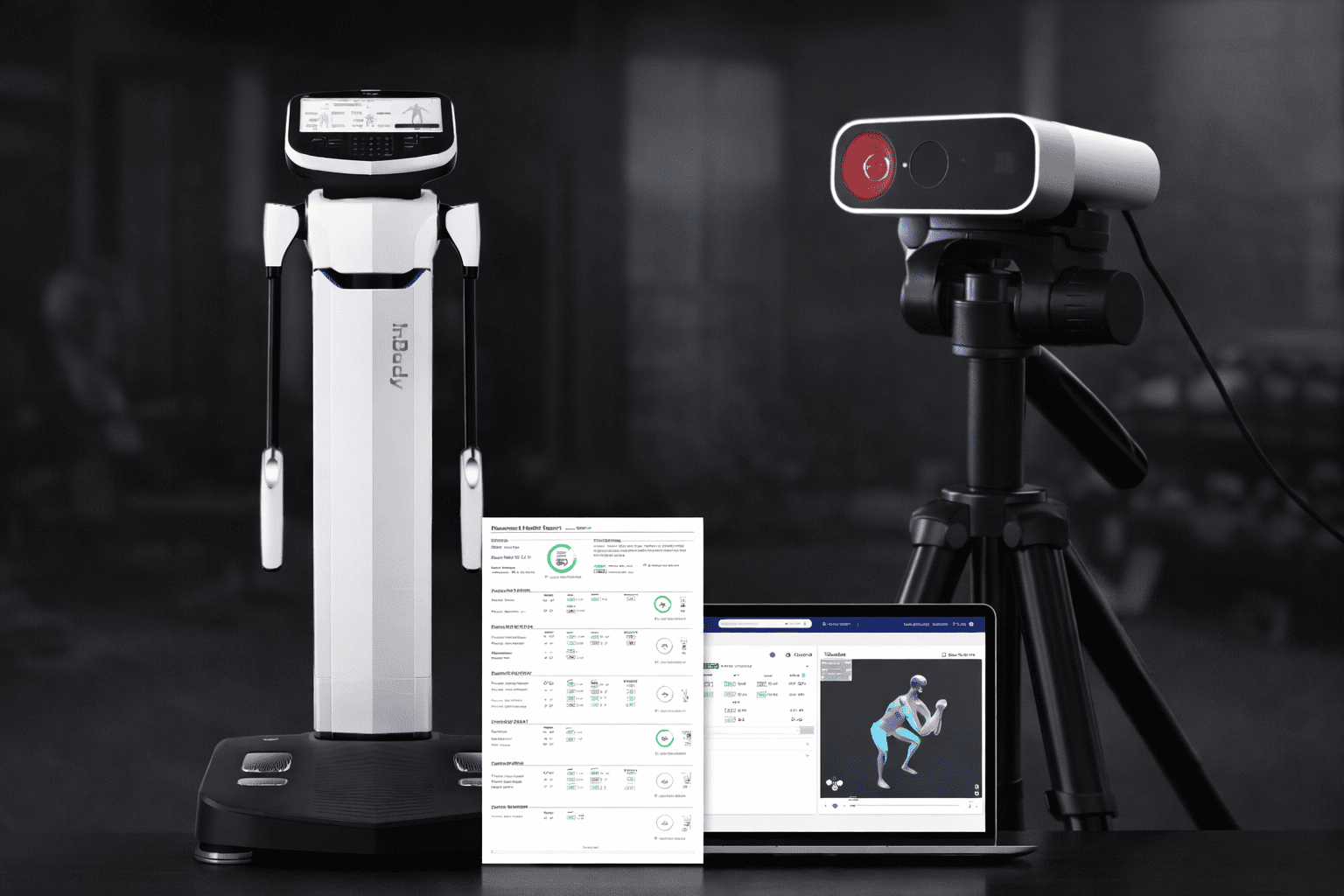
In one session, we measure how your body is built, how it moves, and how it produces energy — then show you exactly what to do next.
Most people train symptoms
Why Traditional Approaches Fail
They chase weight, soreness, calories, or motivation.
That’s why results stall.
Because systems go unmeasured.
At Fluid, we measure the system first — then build the plan.
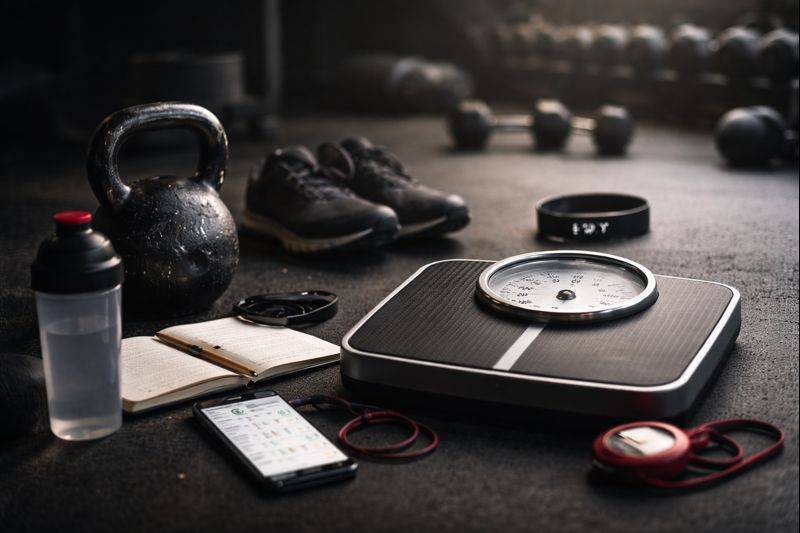
What's Included in Your Baseline Analysis?
✔ 3D motion capture (movement efficiency & asymmetries)
✔ InBody body composition (muscle vs fat, segmental lean)
✔ One-on-one debrief (your plan, not a printout)
Want to add a Precision Upgrade?
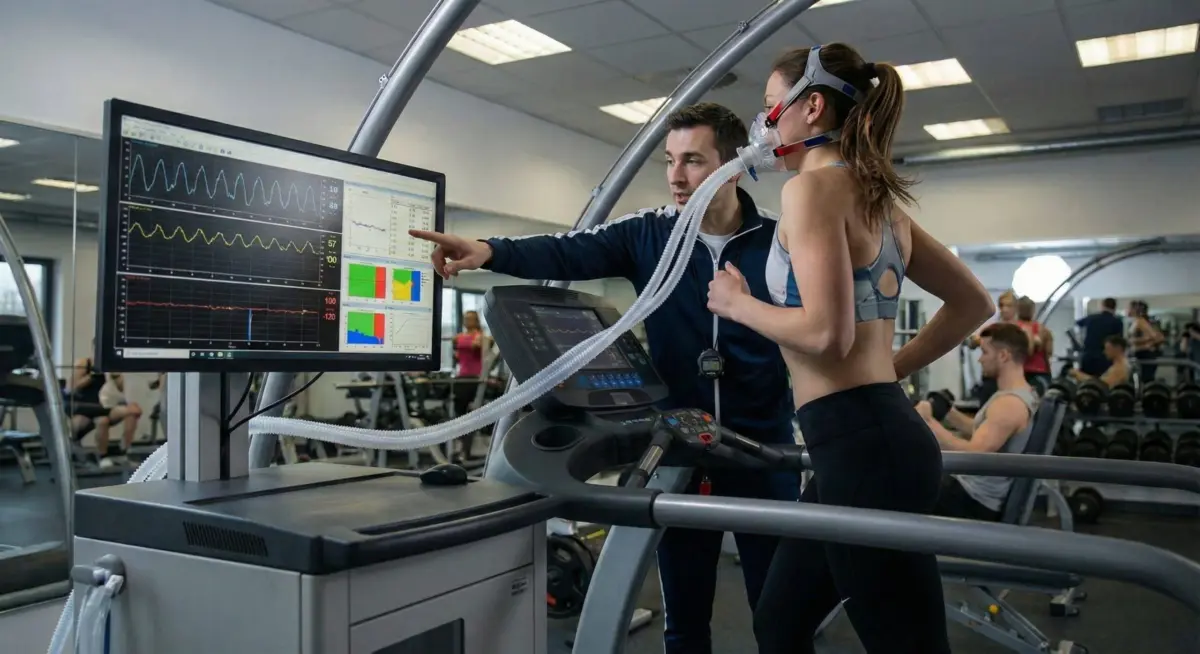
✔ Resting or Active Metabolic Test
(Know your BMR and train in the right zones, not guess)
(+$100)
Latest Insights and Tips
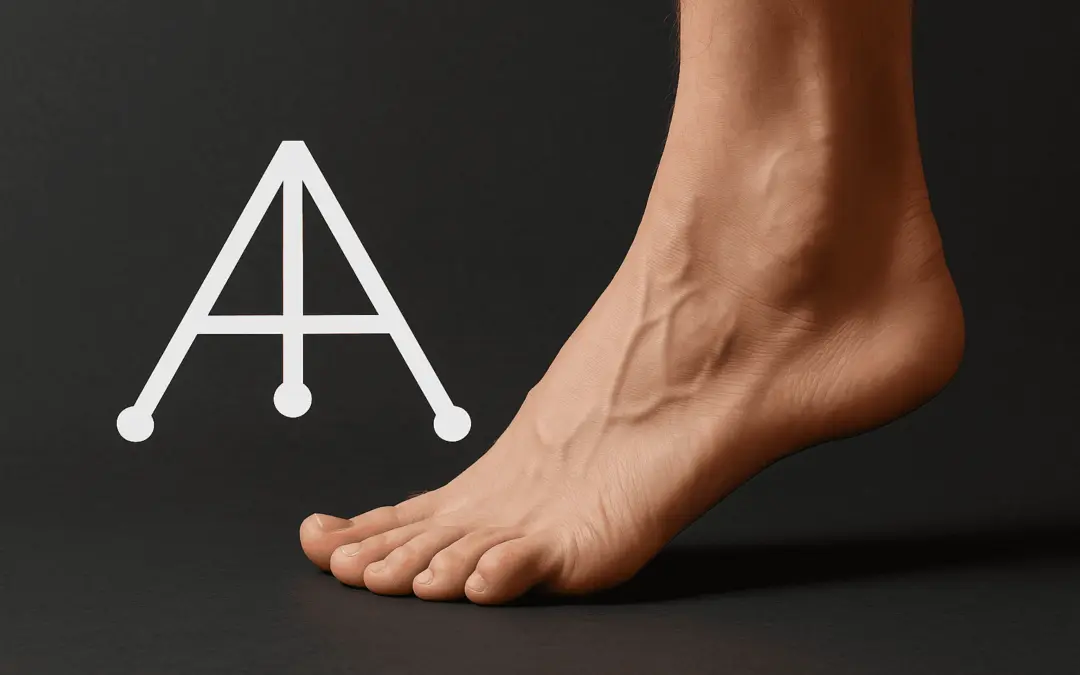
The Foot Tripod: Your Foundation for Movement Mastery
Imagine standing barefoot on a balance beam. Now close your eyes.
What’s keeping you upright isn’t just your muscles—it’s an ancient blueprint wired into your nervous system. And it all starts with your feet.
But not just any part of the foot—the tripod.
Engineering Movement: The Science of Periodization
True physical performance is not achieved through intensity alone. It’s the outcome of a progressive, structured system that builds from quality to capacity—ensuring that every movement is supported, symmetrical, and sustainable. At Fluid Health & Fitness, we teach that before you lift more, run farther, or move faster, you must first move well. Periodization modeling offers a strategic framework for advancing movement from basic joint integrity to elite functional output—while mitigating the risks that typically come with overtraining and poor preparation.
Welcome to Fluid Health and Fitness: Your blueprint for resilient functional movement
Welcome to the Protect and Restore (PNR) program—Fluid Health & Fitness’s premier 24-week structured training system built to realign your body’s movement blueprint, correct functional imbalances, and restore your foundational capacity for performance.