In-Depth Health Insights Await
Stop Guessing. Start Managing Your Health.
In one session, we measure how your body is built, how it moves, and how it produces energy — then show you exactly what to do next.
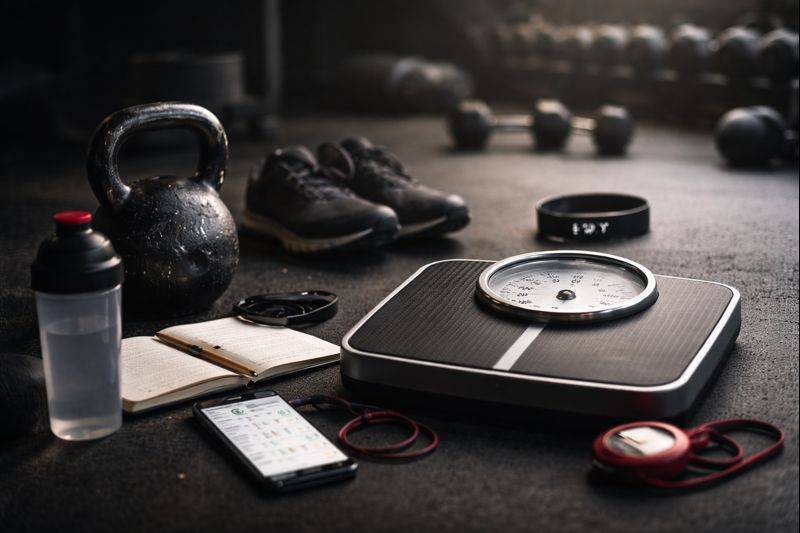
Most people train symptoms
Why Traditional Approaches Fail
They chase weight, soreness, calories, or motivation.
That’s why results stall.
Because systems go unmeasured.
At Fluid, we measure the system first — then build the plan.
What's Included in Your Baseline Analysis?
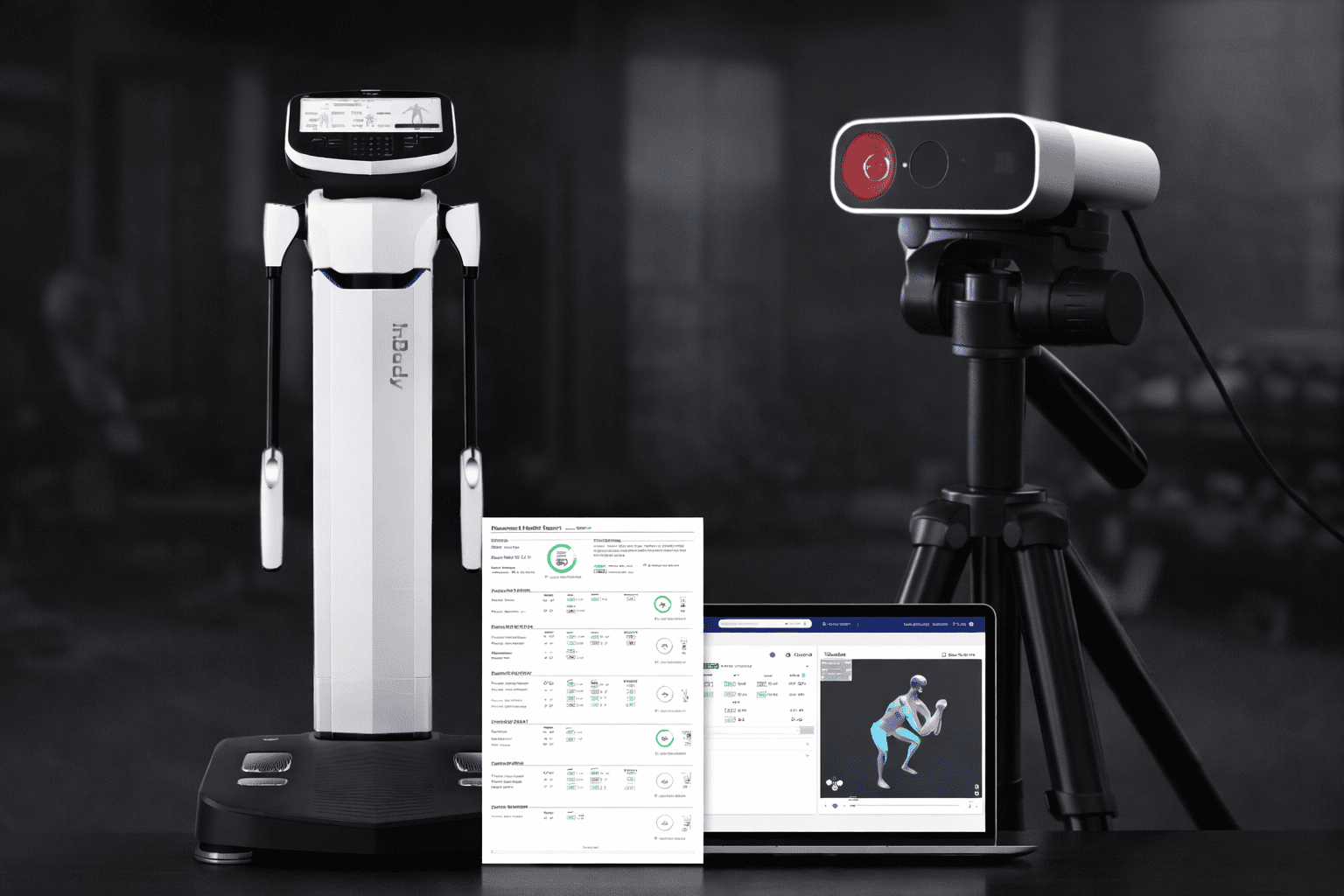
✔ 3D motion capture (movement efficiency & asymmetries)
✔ InBody body composition (muscle vs fat, segmental lean)
✔ One-on-one debrief (your plan, not a printout)
Want to add a Precision Upgrade?
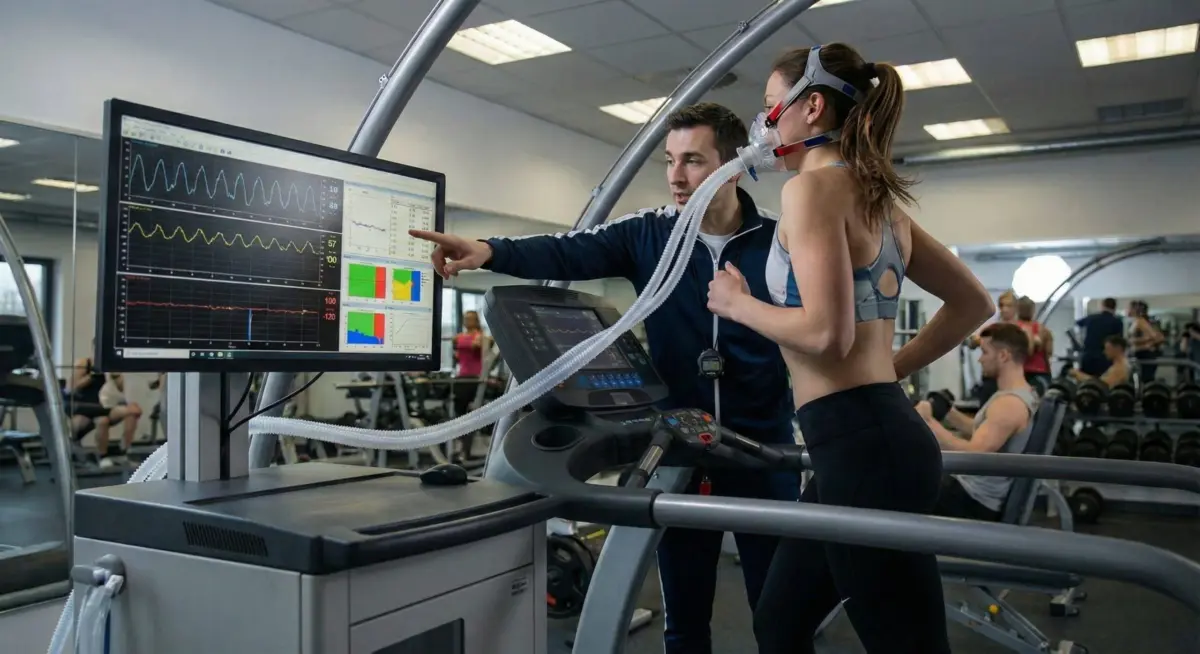
✔ Resting or Active Metabolic Test
(Know your BMR and train in the right zones, not guess)
(+$100)
Latest Insights and Tips
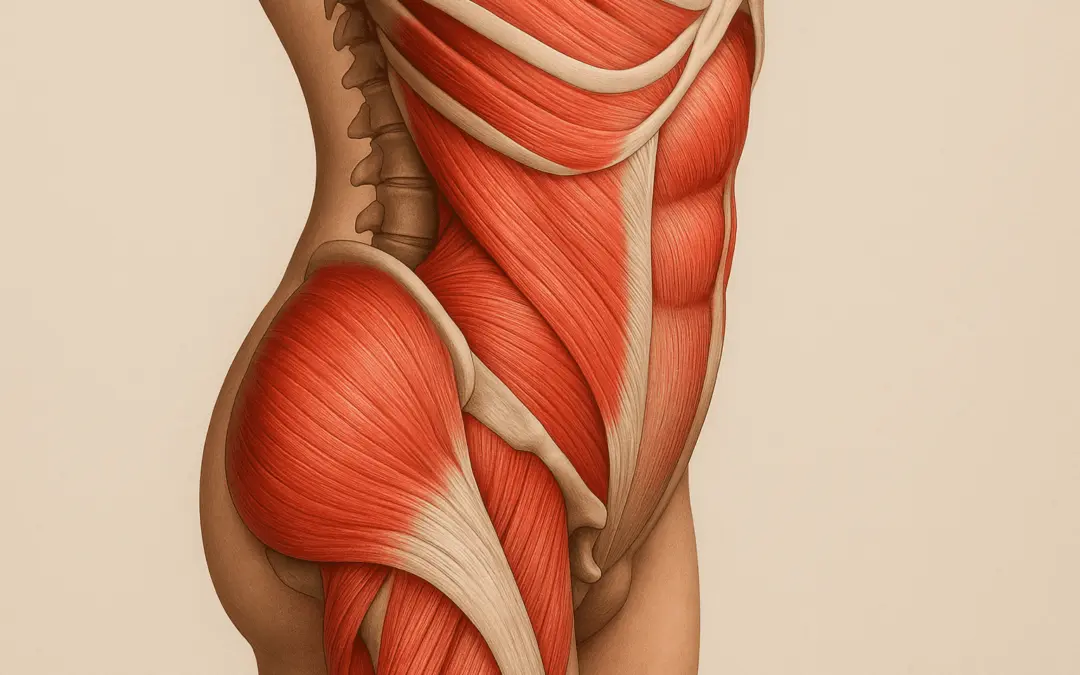
The Lateral Sling System — Your Body’s Side-Body Seatbelt
Your body doesn’t just need to move forward — it needs to stay upright when life pulls you sideways. The lateral sling system is your built-in side-body seatbelt, made up of muscles like the glute med, adductors, obliques, and QL. When this system is underdeveloped or out of sync, you’ll see knee collapse, hip drop, or rib flare. Learn how this system develops in infancy, how to spot dysfunction, and how to train it to restore side-to-side stability and protect your posture for life.
Not Just a Workout — A Functional Reset
Are you ready to reclaim your speed, restore your mechanics, and bulletproof your body for sport-level performance?
This national pilot program is designed to restore your running and movement potential through the RucFit Return-to-Sport & Biomechanical Restoration Protocol. Using the RucFit Ruc Pack and intelligent load progression, this beta group will model outcomes for a national rollout.
At Fluid Health and Fitness, we approach hypertension differently. Rather than managing symptoms, we work to reverse the breakdown using targeted movement, breath training, and structured progression. This blog outlines the physiological systems behind the condition—and introduces a free, four-week program to help you reclaim your health from the inside out.
Reverse the Pressure: How Movement Rebuilds the Body from Hypertension
High blood pressure (hypertension) isn’t just a cardiovascular condition—it’s a whole-body systems failure in motion. Nearly half of all U.S. adults have elevated blood pressure, but few understand the root cause: the body has lost its ability to regulate internal pressure across multiple systems.
At Fluid Health and Fitness, we approach hypertension differently. Rather than managing symptoms, we work to reverse the breakdown using targeted movement, breath training, and structured progression. This blog outlines the physiological systems behind the condition—and introduces a free, four-week program to help you reclaim your health from the inside out.