In-Depth Health Insights Await
Stop Guessing. Start Managing Your Health.
In one session, we measure how your body is built, how it moves, and how it produces energy — then show you exactly what to do next.
Most people train symptoms
Why Traditional Approaches Fail
They chase weight, soreness, calories, or motivation.
That’s why results stall.
Because systems go unmeasured.
At Fluid, we measure the system first — then build the plan.

What's Included in Your Baseline Analysis?
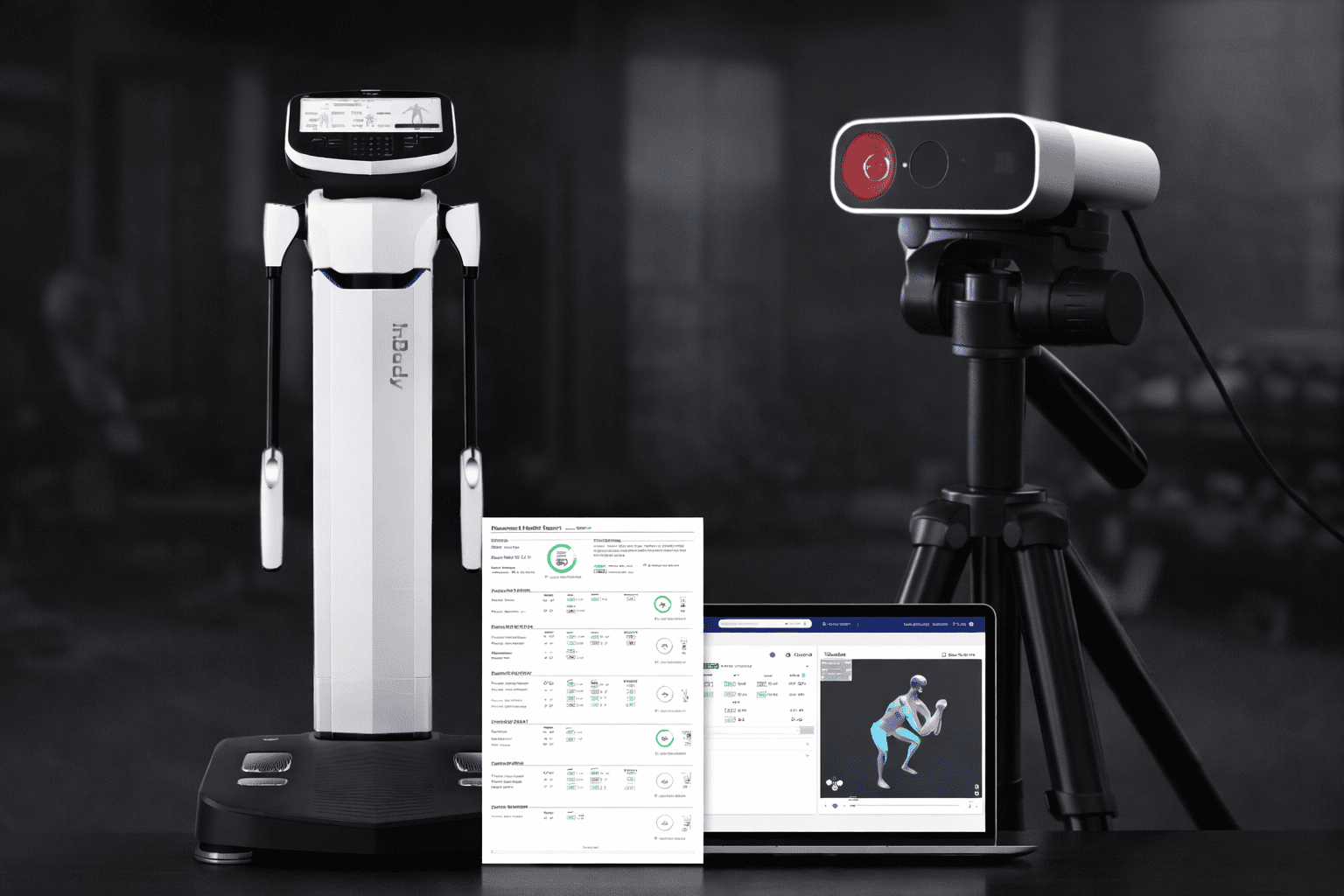
✔ 3D motion capture (movement efficiency & asymmetries)
✔ InBody body composition (muscle vs fat, segmental lean)
✔ One-on-one debrief (your plan, not a printout)
Want to add a Precision Upgrade?
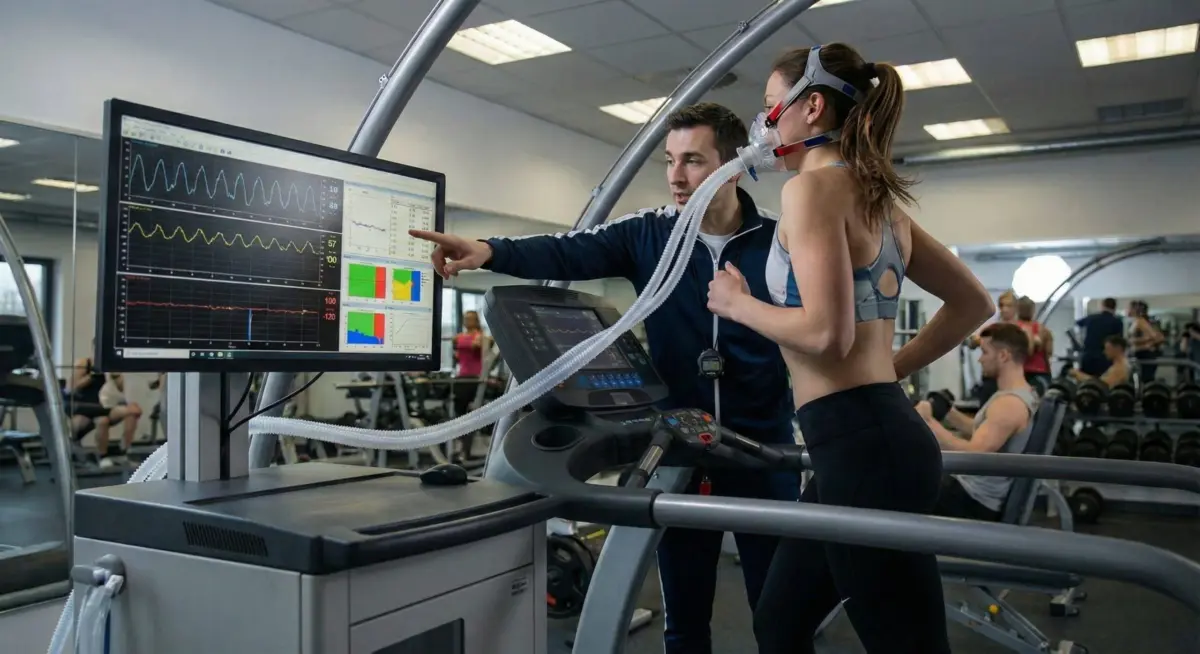
✔ Resting or Active Metabolic Test
(Know your BMR and train in the right zones, not guess)
(+$100)
Latest Insights and Tips
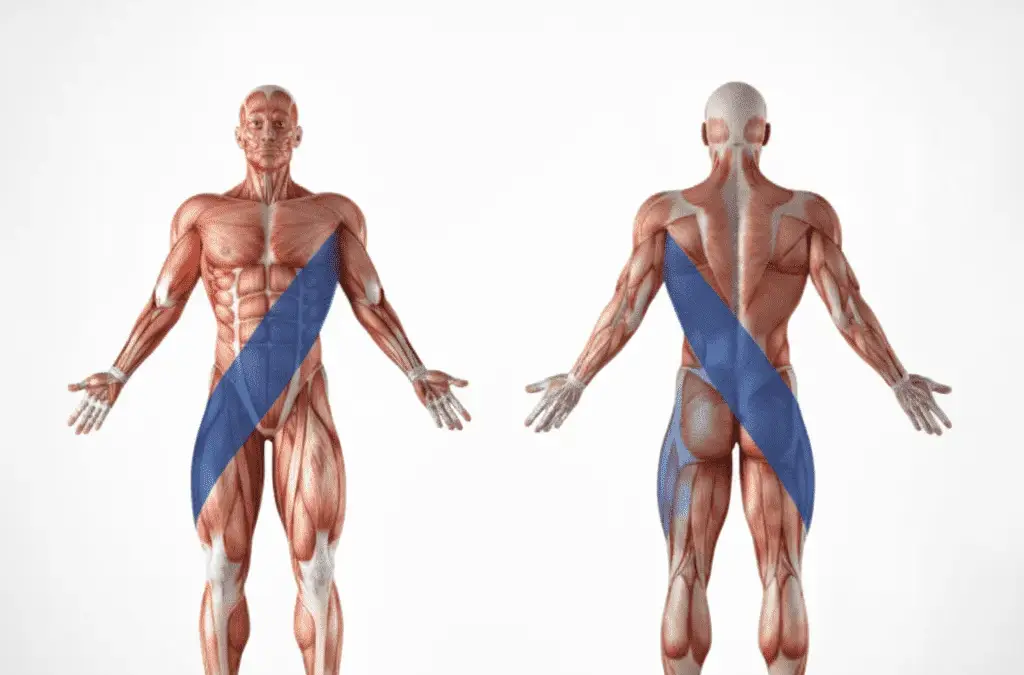
Why Your Core Isn’t Just Abs: The Hidden Anchors That Keep You From Falling Apart
Most people think of their core as a six-pack of abs, but the truth is far more interesting—and far more important. Your real stability comes from diagonal anchors in your body called oblique slings. These muscular and fascial lines connect your shoulders to your hips, keeping you upright and steady when life throws you off balance. Whether you’re carrying a heavy bag, running, or simply bending to pick something up, your oblique slings are quietly at work, resisting twists and holding your ribs and pelvis in alignment. Understanding how these systems develop, how they function, and why they matter could change the way you think about strength forever.
Transverse Plane Mastery: Week 10 Guide to Stance Mechanics
Week 10 of the Applied Fundamentals course at Fluid Health and Fitness advanced the application of transverse plane biomechanics with a focus on the scapulothoracic/glenohumeral complex, lumbopelvic sacroiliac region, and the ankle-foot complex. This week continued the theme of rotational control in stance, reinforcing how each segment manages torsional forces while preserving joint integrity and kinetic efficiency.
Transverse Plane Mastery: Week 9 Guide to Stance Mechanics
Week 9 of the Applied Fundamentals course at Fluid Health and Fitness marked the transition into transverse plane mechanics—addressing how the body maintains postural control, joint alignment, and rotational integrity during stance. This phase explored how the cervical-cranial region, thoracic spine, and hip/knee complexes regulate and distribute rotational forces across the kinetic chain.